
Fixing Failed Implants
Aptos Periodontics & Dental Implants – Aptos, California
About Fixing Failed Implants
Dental implants are designed to be a long-term solution, but when complications arise, early intervention can make all the difference. Before treatment, a failing implant may show signs of gum inflammation, bone loss, or instability, putting both function and appearance at risk. With advanced techniques, we can stabilize the implant, regenerate lost tissue, and restore full function, helping patients regain a strong, healthy smile.
Signs To Watch For
- Red, swollen, or bleeding gums around the implant
- Pus discharge or persistent bad breath/taste
- Visible implant threads due to gum recession
- Loosening or mobility of the implant
- Bone loss visible on X-rays or 3D scans
Note: Please schedule an evaluation if you notice any changes around your implant.
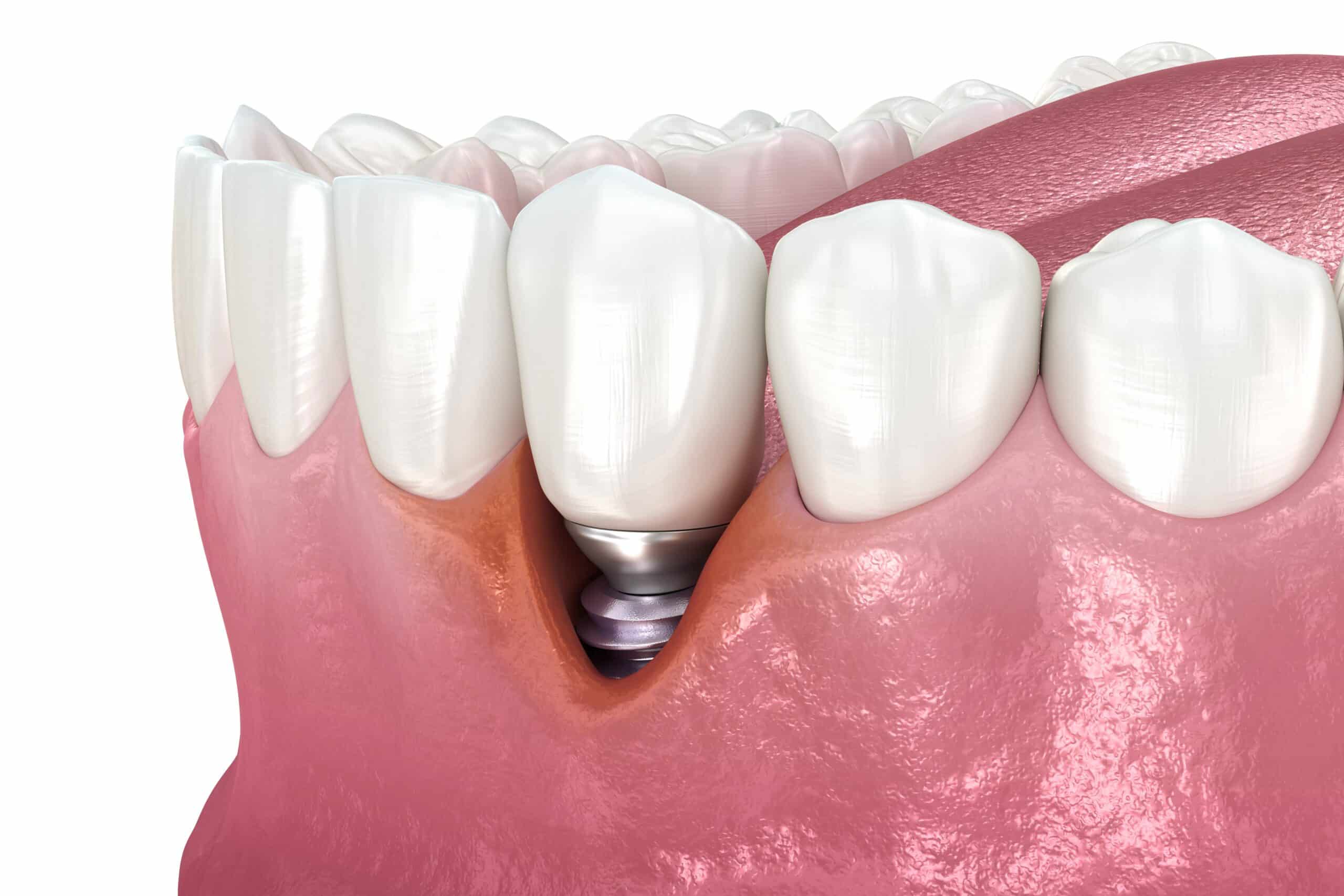

Peri-Implantitis
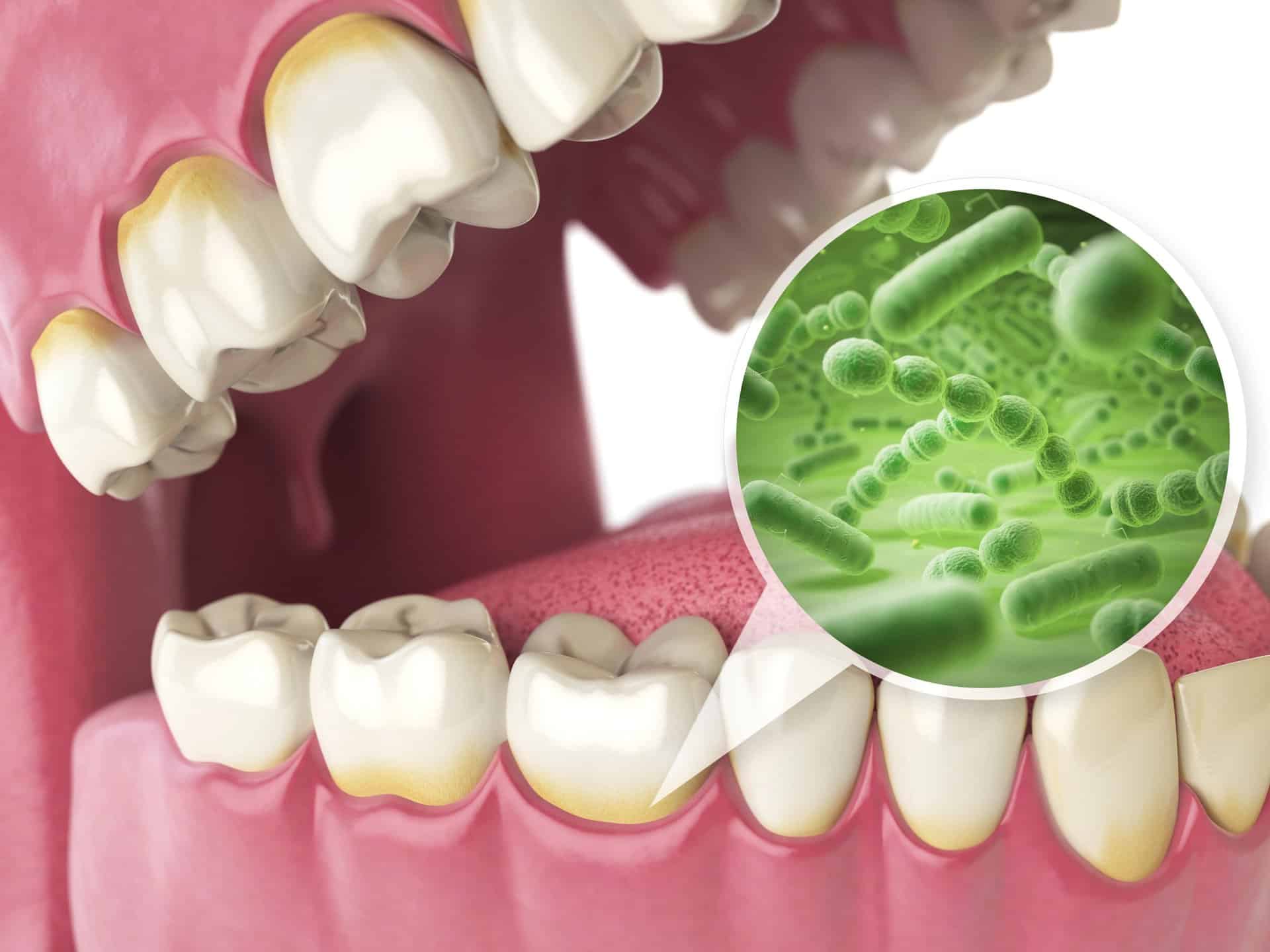
Several factors can influence the health of dental implants over time. Poor oral hygiene often plays a significant role, as bacterial buildup around the implant can trigger inflammation, causing peri-implantitis. In addition, smoking, gum disease, uncontrolled diabetes, excess dental cement, and genetic factors can all impact implant success by affecting healing and tissue response.

Treatment of Failing Implants
Dr. Richert designs personalized treatment plans for failing implants, always starting with conservative, non-surgical options. His approach begins with deep scaling, enhanced oral hygiene, and advanced laser therapy to remove bacteria while protecting healthy tissue. To further support healing, he may incorporate targeted antimicrobial treatments such as localized antibiotics and specialized rinses to control infection.
When surgical intervention is needed, guided bone regeneration can rebuild lost bone, while ultrasonic instruments and air abrasives help restore the implant surface. In severe cases, an implant may need to be removed and replaced after proper bone grafting. To maintain long-term success, Dr. Richert emphasizes ongoing care, including regular three-month hygiene visits and bacterial monitoring, ensuring early intervention and optimal implant health.

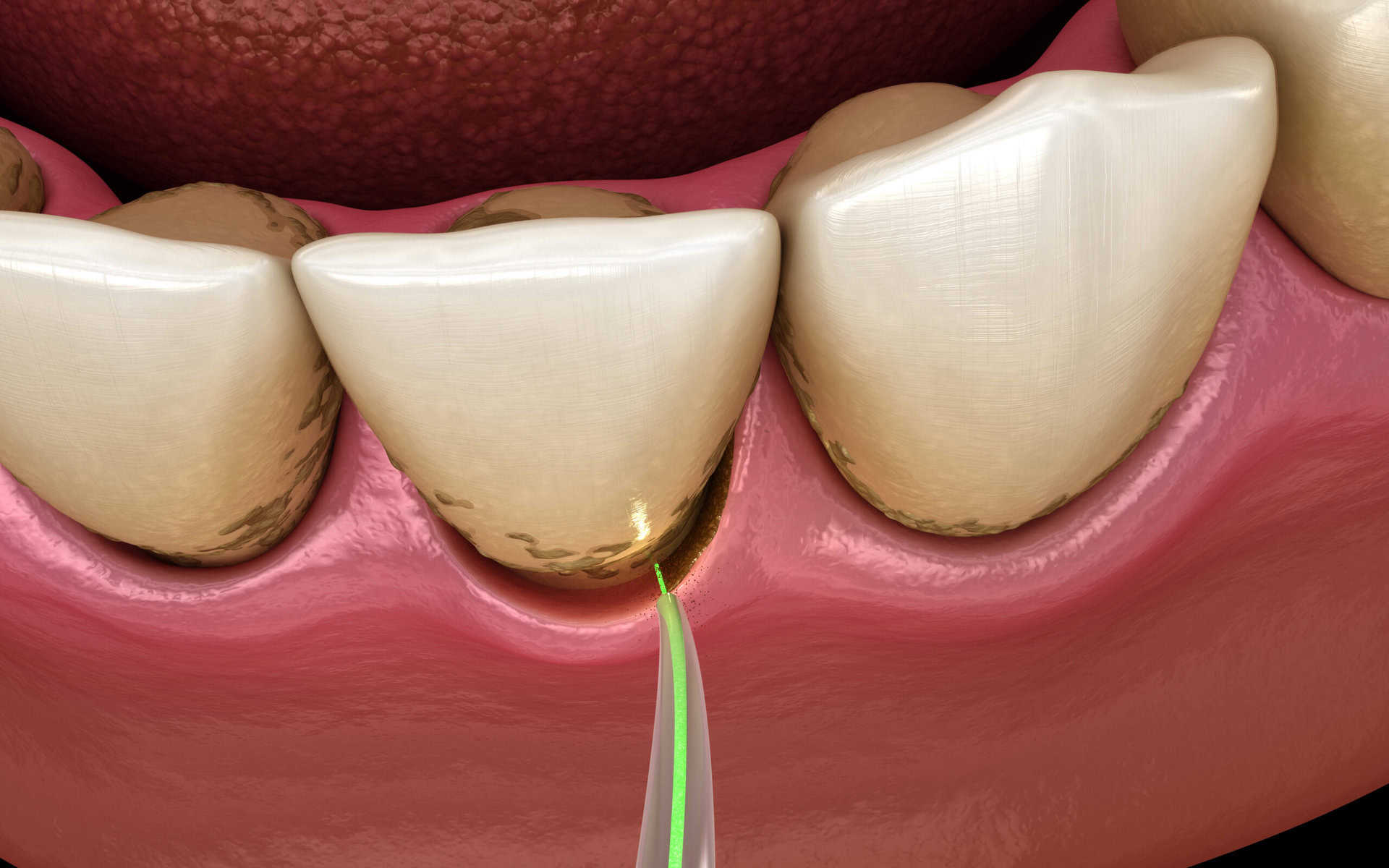
Before & After Failed Implant
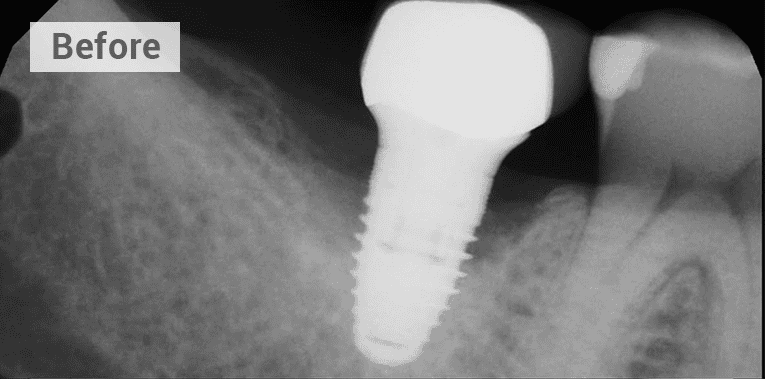
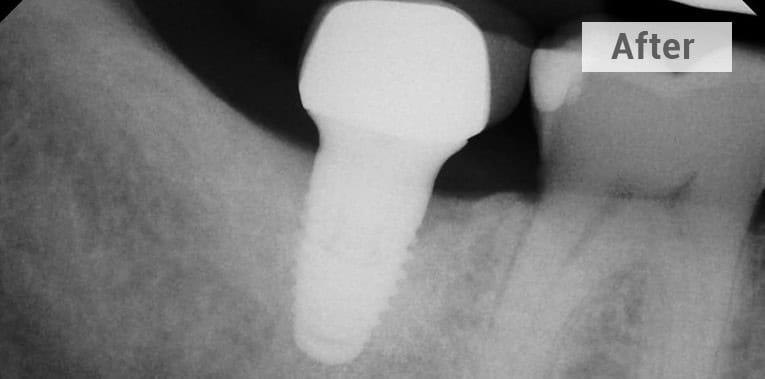
These before-and-after images demonstrate how failed implants can often be saved with expert care. Through precise treatment, stability is restored, bone is rebuilt, and implant integrity is preserved, allowing many patients to regain confidence in their smiles without needing full replacement.
Don’t Wait—Restore and Protect Your Dental Implants
If you’re experiencing pain, swelling, or looseness around your dental implant, early intervention is key to saving it. A failing implant doesn’t always mean starting over—advanced treatments can help stabilize and restore your implant before the problem worsens.
Don’t ignore the signs of implant failure. Schedule a consultation today to explore your options and take the first step toward protecting your smile.